
Scoliosis is a complex spinal condition that affects millions of people worldwide. It is characterized by abnormal curvature of the spine and can range from mild to severe and can affect people of all ages.
Definition and types
Scoliosis refers to a lateral curvature of the spine, which may take the form of an 'S' or 'C' shape. While it can occur at any age, it is most commonly diagnosed during adolescence. There are several types of scoliosis:
- Idiopathic: This is the most common type and often occurs during adolescence with no known cause.
- Congenital: Caused by abnormal development of the spine before birth.
- Neuromuscular: Develops as a result of conditions that affect the nerves and muscles, such as cerebral palsy or muscular dystrophy.
- Degenerative: Usually occurs in older adults and is the result of degeneration of the discs and joints of the spine.
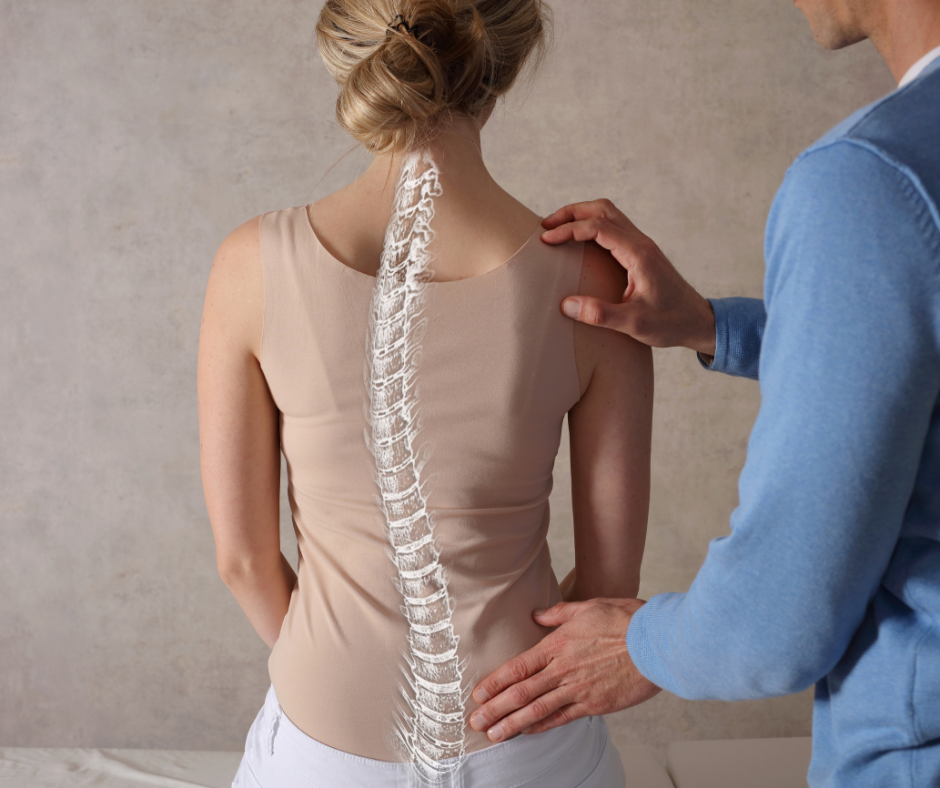
Scoliosis: Causes and risk factors
The exact cause of idiopathic scoliosis remains unknown, but several genetic factors are thought to be responsible. Other types of scoliosis can be attributed to genetic abnormalities, neuromuscular conditions or degenerative changes. Risk factors include family history, gender (girls are more at risk than boys) and age (usually occurring in adolescence).
Symptoms of scoliosis
Scoliosis can cause a number of symptoms, including:
- Uneven height/asymmetry of shoulders or pelvis
- One hip seems higher than the other
- A visible curvature of the spine
- . Back pain,especially when the curve worsens (in older people)
- Limited range of movement of the spine (in older people).
Diagnosis of scoliosis
A physical examination by a specialist is the first step in diagnosing scoliosis. The doctor will assess the curvature of the spine and may use diagnostic tools such as the Adams Forward Bend Test to identify any asymmetry. Imaging tests, such as x-rays, are often used to confirm the diagnosis and determine the degree of curvature.
Methods of treatment
The treatment approach depends on several factors, including the type of scoliosis, the degree of curvature and the age of the person. Treatment options include:
- Monitoring: For mild curves, especially in children who are still developing, regular monitoring may be recommended.
- Brace: If the curvature is moderate (approximately 25 degrees to 45 degrees) and the individual is still developing, a brace may be prescribed to prevent further progression.
- Physiotherapy: Specific exercises can help improve posture, flexibility and muscle strength. The Schroth technique in particular shows encouraging results.
- Surgery: In severe cases where the curvature progresses rapidly, is large (more than 45 degrees) or causes pain (especially in older people), surgery may be considered. This type of surgery is known as spinal fusion, and involves fusing the vertebrae together to stabilize the spine after first aligning the spine.
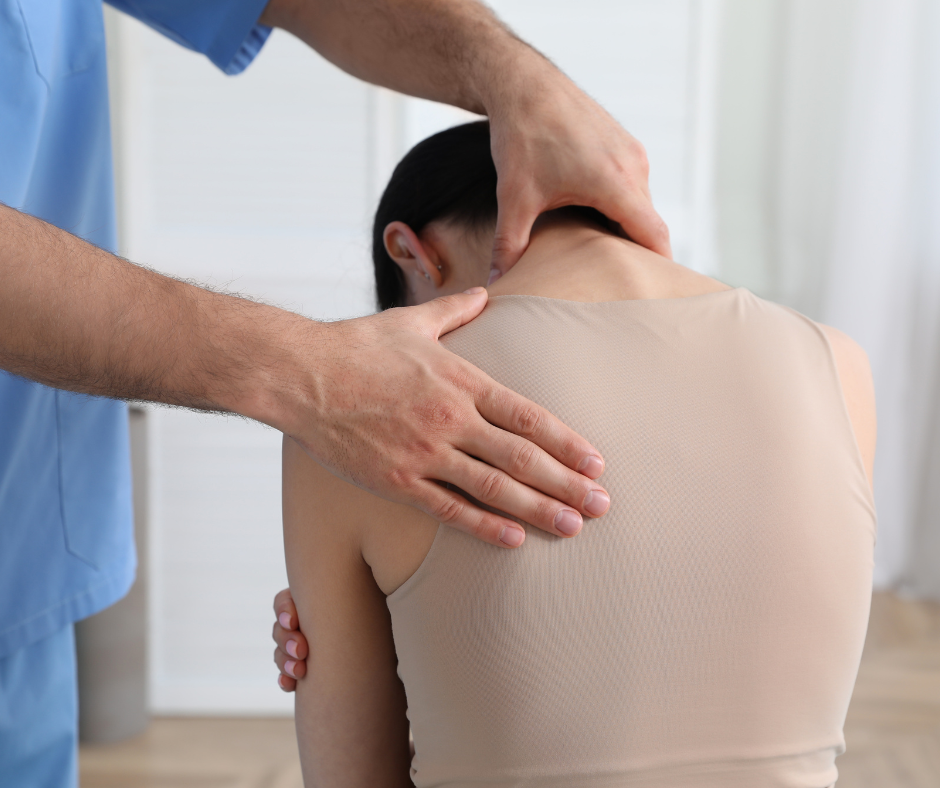
Scoliosis is a complex spinal condition that affects people of all ages and includes various types and degrees of severity. Although it can present challenges in daily life, many patients live a normal and active life. Early diagnosis and appropriate management is key to minimising the impact of scoliosis.
For more information contact us at +30211 - 4057040, +306949196061 or at orthoped1kos.giorgos.aboutdev.gr and make an appointment.

